
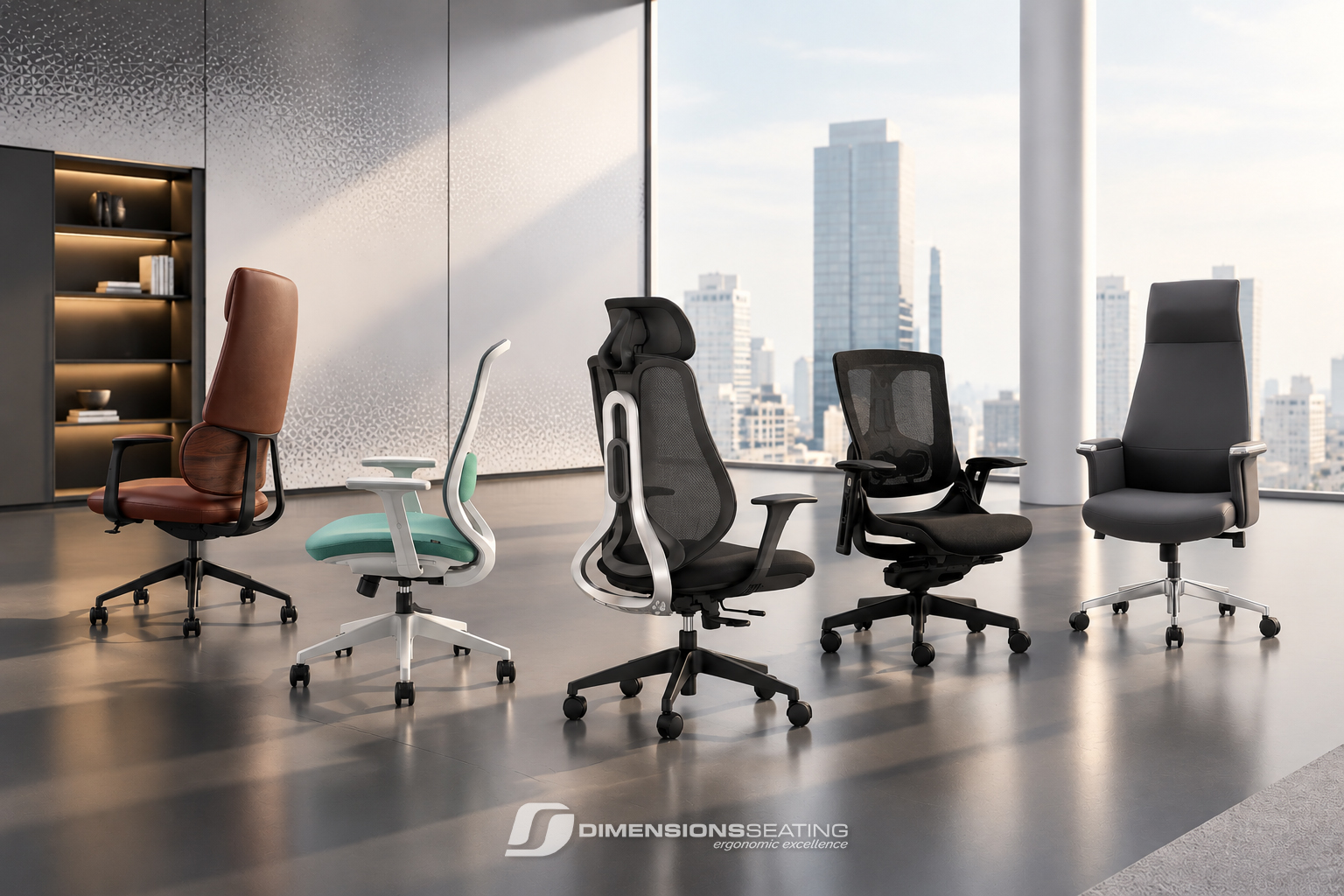
Most people buy an office chair the way they buy a kettle. They look at a few pictures, compare prices, pick something that looks comfortable, and hope for the best.
Then they sit in it for 2,000 hours a year.
A chair is one of the few purchases where the consequences show up in your body. Get it right and you stop thinking about it entirely. Get it wrong and you spend five years shifting position, rolling your shoulders, and wondering why your lower back aches by three in the afternoon.
This guide covers what actually matters when choosing a chair, what’s marketing noise, and how to work out which one fits you.
Before looking at a single chair, answer three questions honestly.
How many hours a day do you sit? Someone at a desk for ten hours needs a fundamentally different chair from someone who sits for three. Below about four hours, most decent chairs will do. Above six, adjustability stops being a luxury.
What kind of work is it? If you’re at a keyboard all day, you need support for an upright, forward-leaning posture. If your day is split between screen work, phone calls and reading, you’ll be reclining more and want a chair that supports movement rather than locking you into one position.
Who else uses it? A chair shared across shifts, or one in a meeting room used by different people, needs wide adjustment ranges. A chair that only you will ever sit in can be fitted precisely to you.
These answers determine your budget more reliably than any review will.
Chair listings tend to advertise long feature lists. Most of it is noise. Four things do the real work.
Seat height. Your feet should rest flat on the floor with your knees at roughly ninety degrees, and your forearms should sit level with your desk. This is the single most common setup error. People buy a good chair, leave it at the factory height, and never get the benefit.
Lumbar support. Your lower spine curves inward. A chair that doesn’t support that curve lets your pelvis roll back, which flattens the spine and loads the discs in your lower back. Fixed lumbar support is fine if it happens to sit where your curve is. Adjustable lumbar support is better, because bodies vary.
Seat depth. You want two to three fingers of space between the back of your knees and the front edge of the seat. Too deep and the edge presses into your legs and restricts circulation. Too shallow and you lose thigh support. If you’re notably short or tall, this matters more than almost anything else, and it’s the specification most buyers never check.
Armrests. Your shoulders should be relaxed, not shrugged, with elbows supported close to your body. Height-adjustable armrests handle most of this. Width and depth adjustment helps if you’re broad or narrow across the shoulders. Fixed armrests that sit at the wrong height are worse than no armrests at all, because they force your shoulders up all day.
Recline tension matters too, though it’s less often the thing that goes wrong. You want the backrest to move with you when you lean back, with enough resistance that it supports your weight rather than collapsing.
This is where a lot of international buying advice stops being useful.
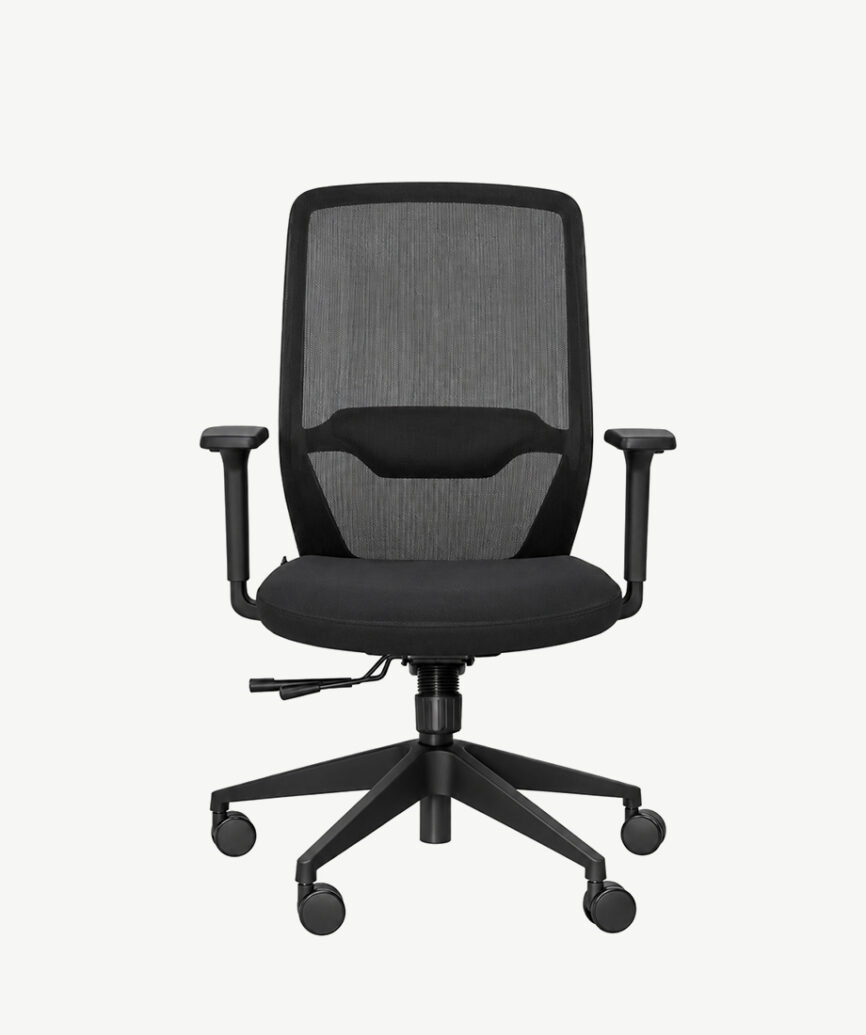
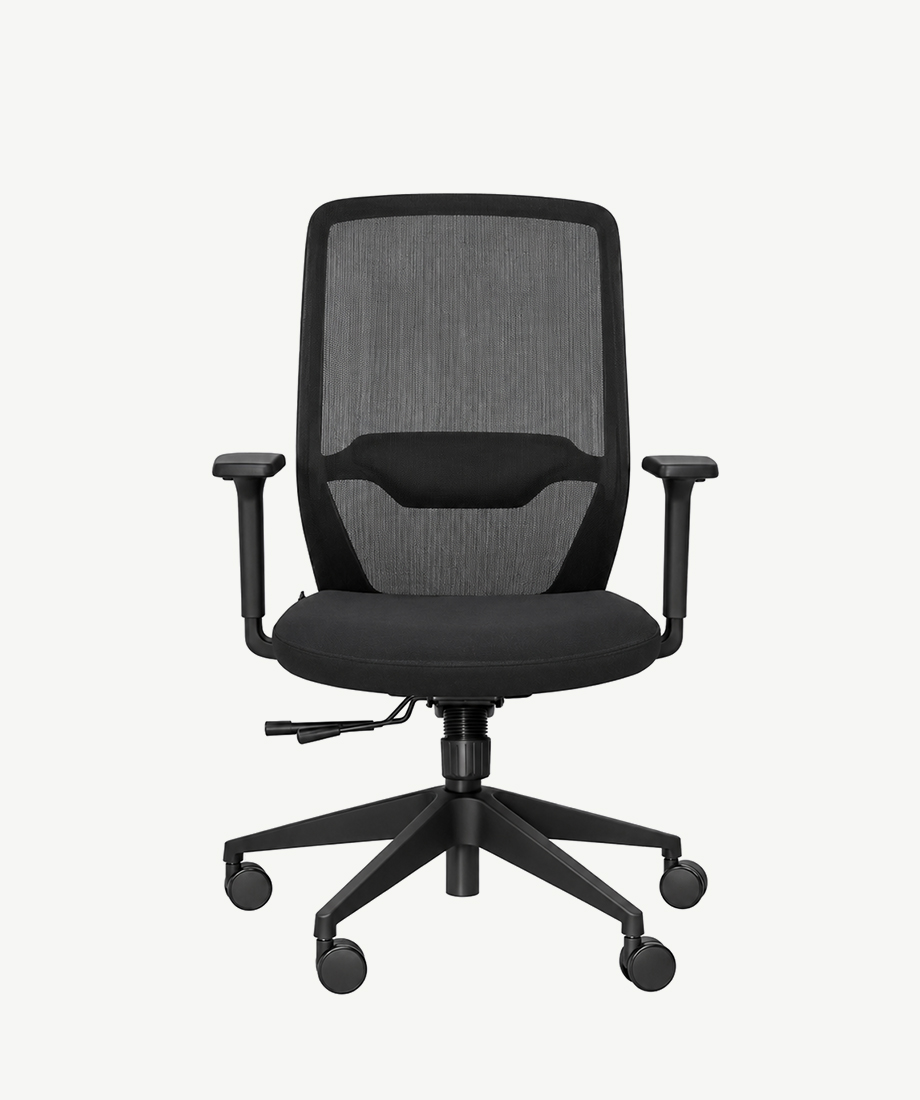
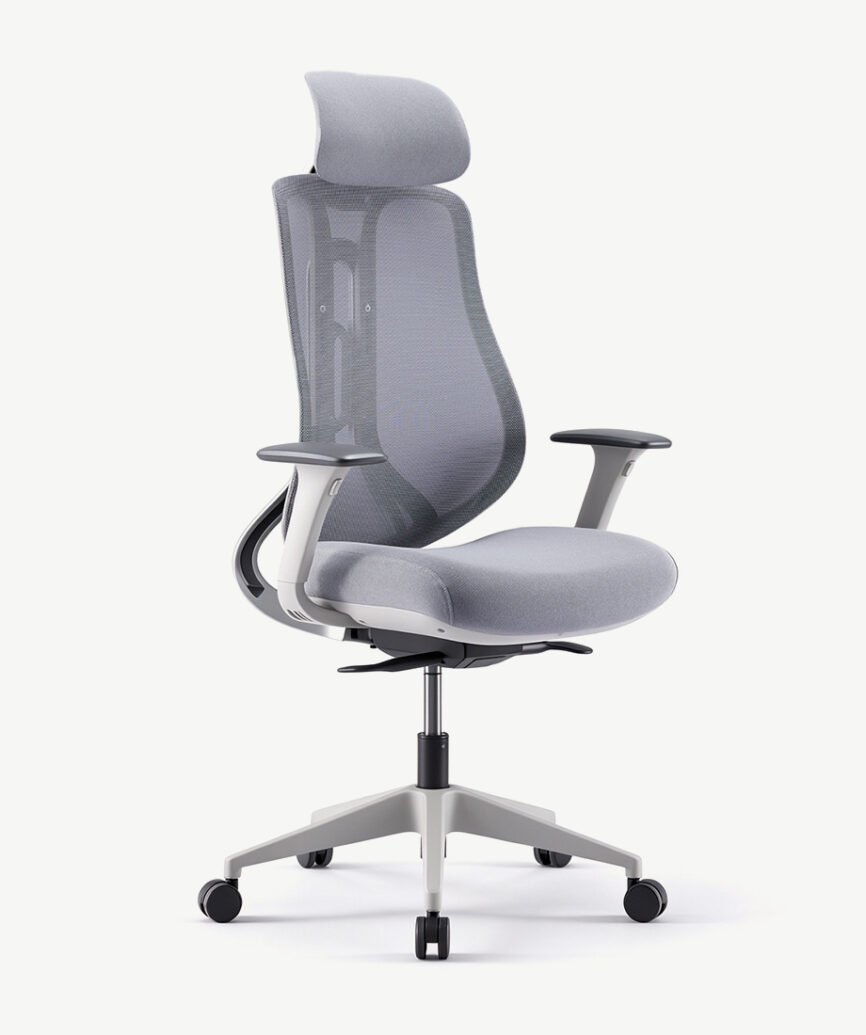
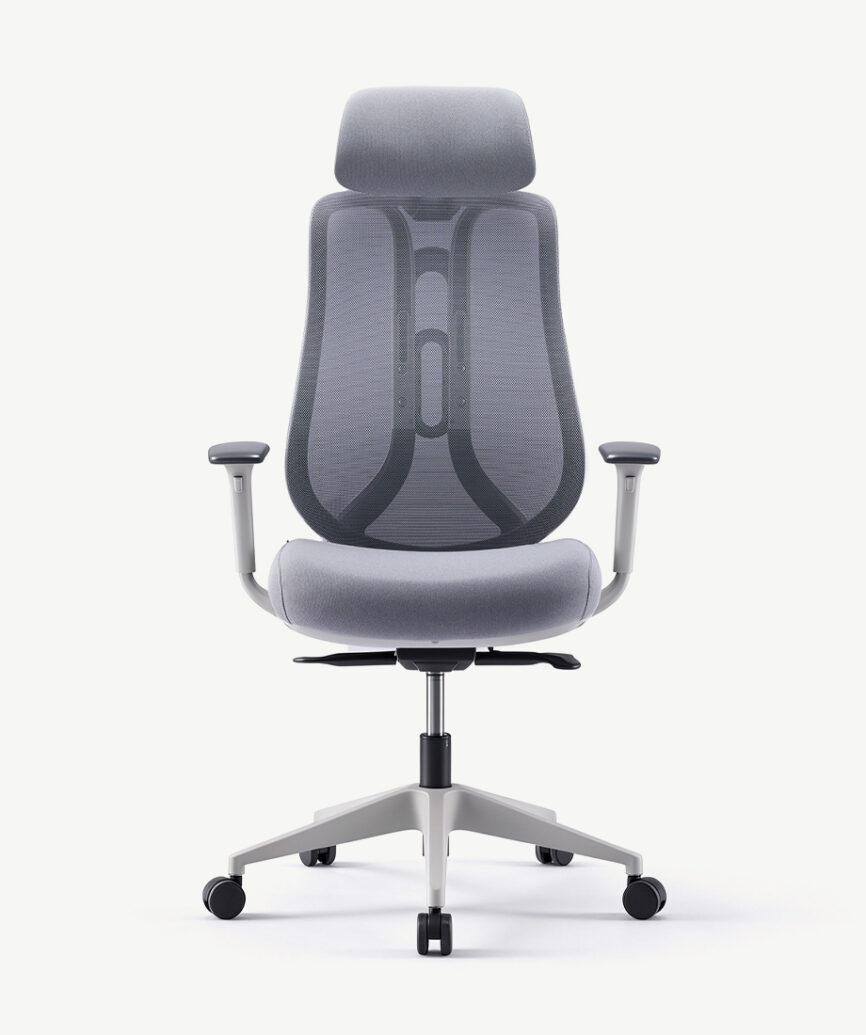
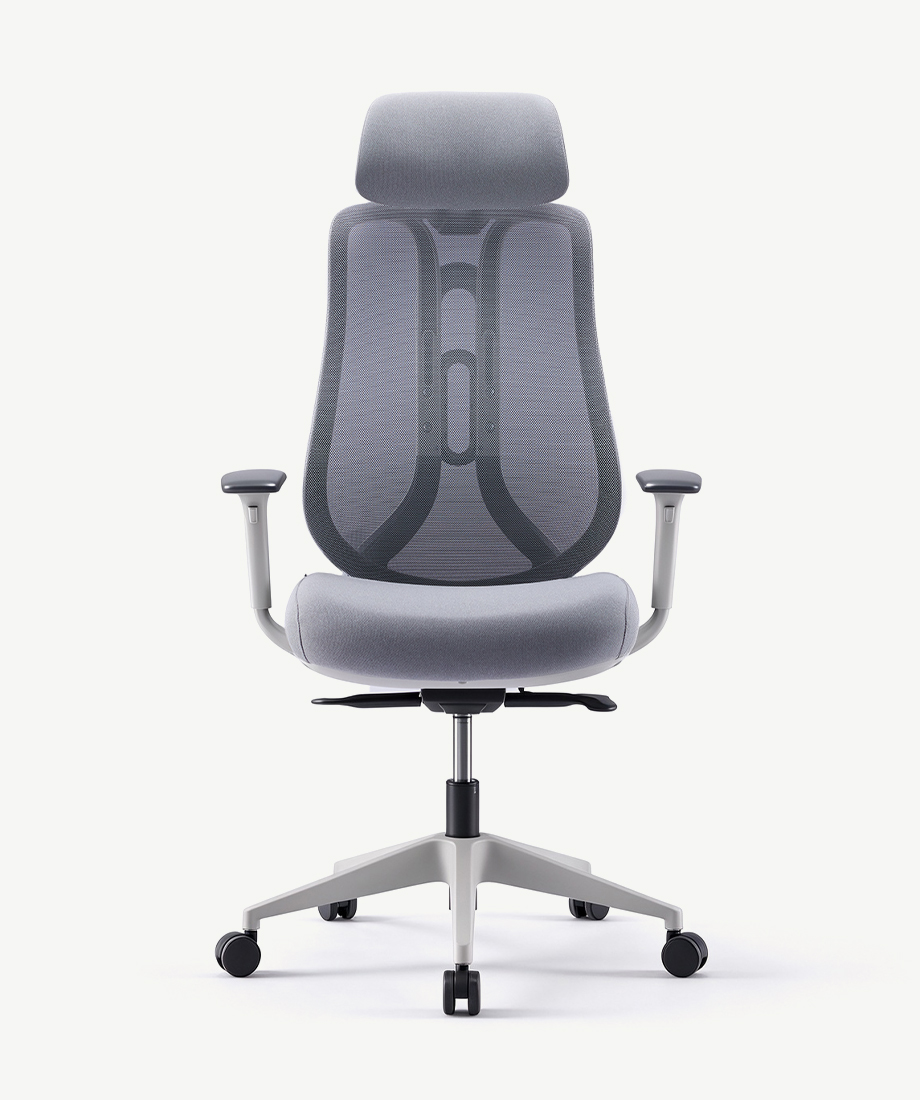
Mesh is the most practical choice for most Pakistani offices. Air moves through the backrest, so you don’t end up sitting against a heat trap through summer. In an office that isn’t air-conditioned around the clock, this is the difference between comfortable and miserable by afternoon. Quality varies enormously though. Good mesh holds tension for years. Cheap mesh sags within months and stops supporting anything.
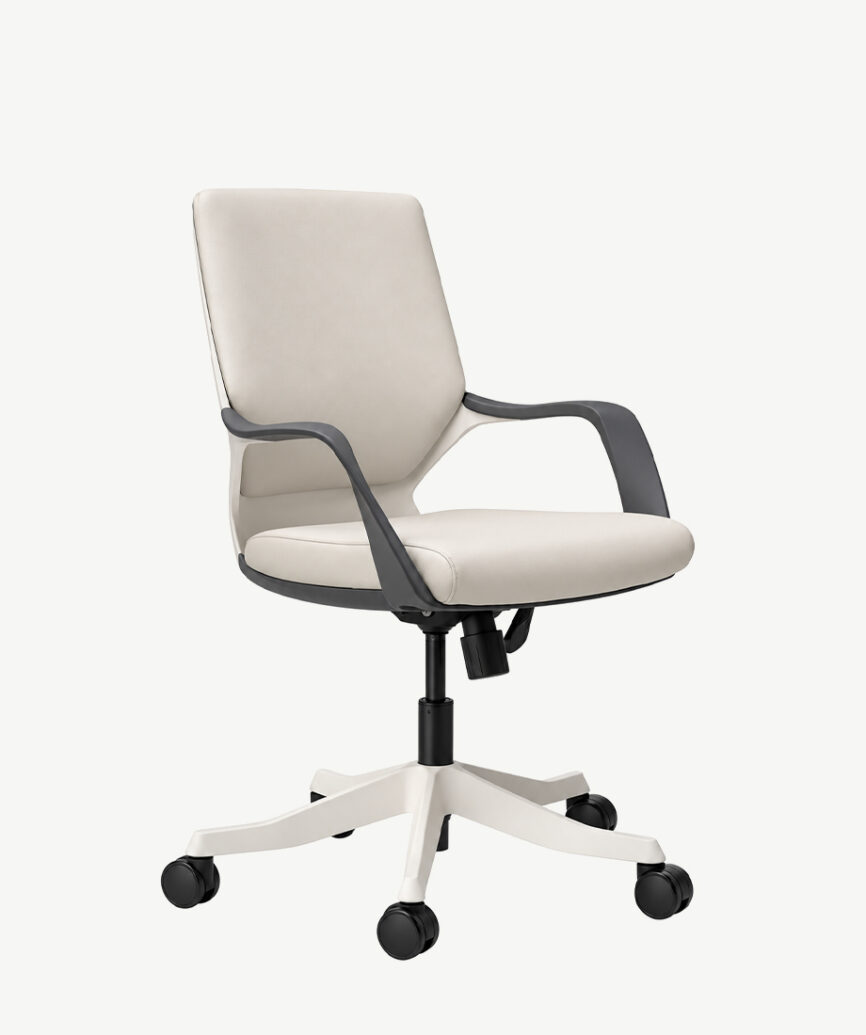
Fabric is comfortable, quieter in appearance, and generally the best value in the mid-range. It breathes reasonably well, though less than mesh. Worth checking how easy it is to clean, since fabric absorbs everything.
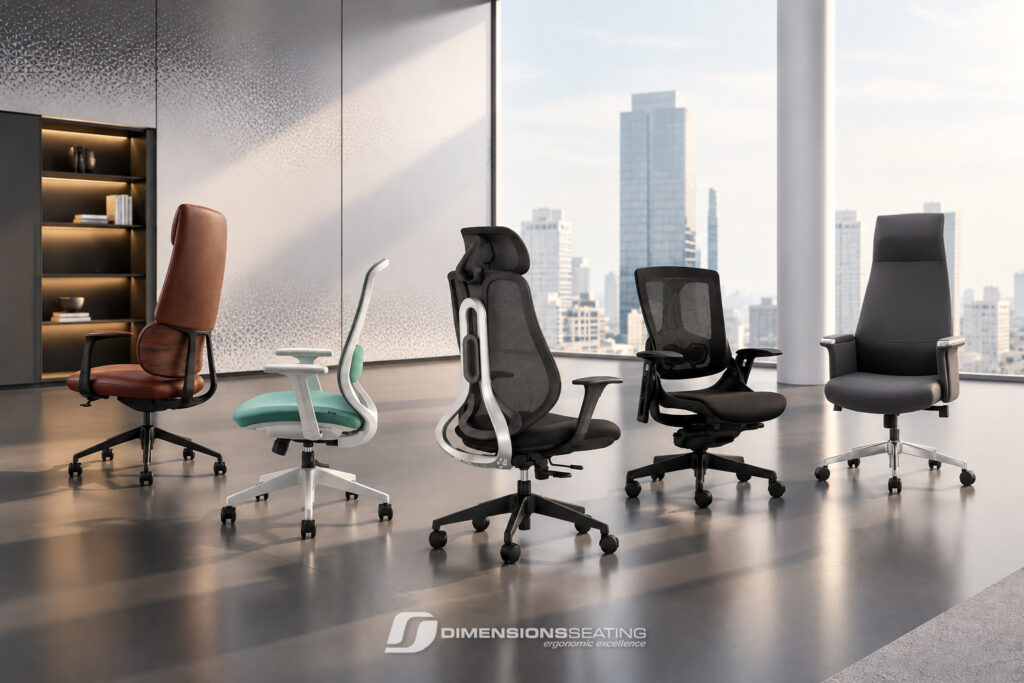
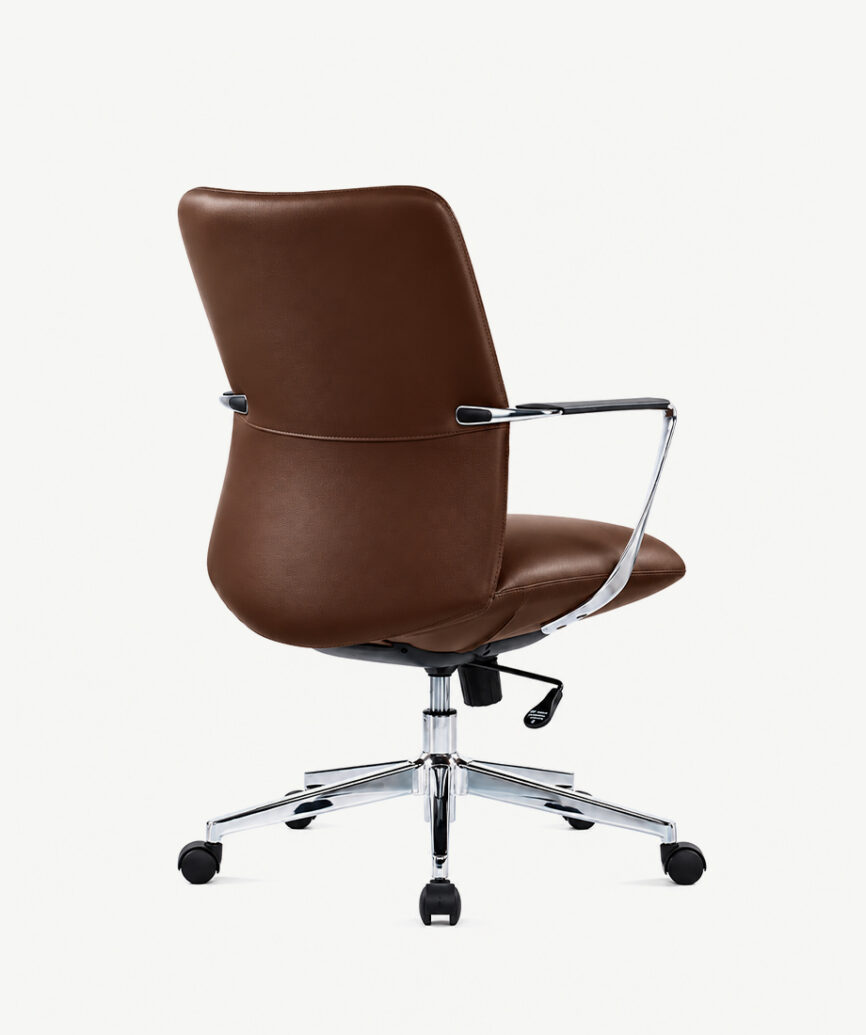
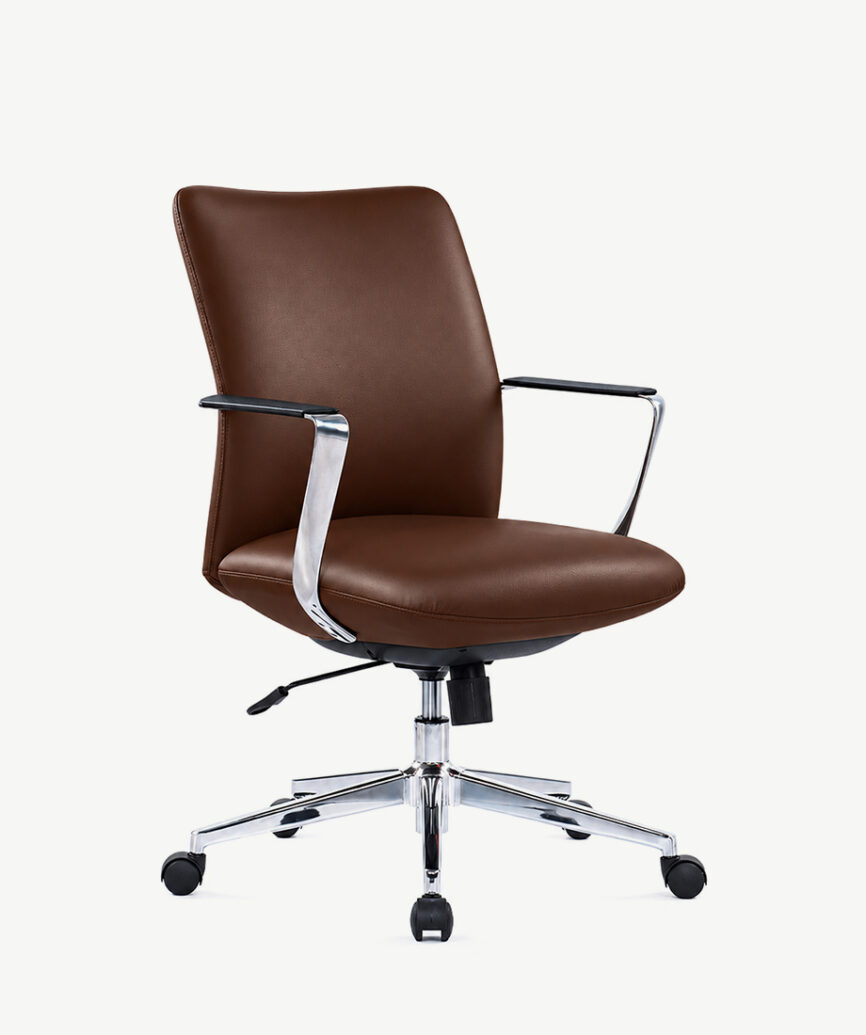
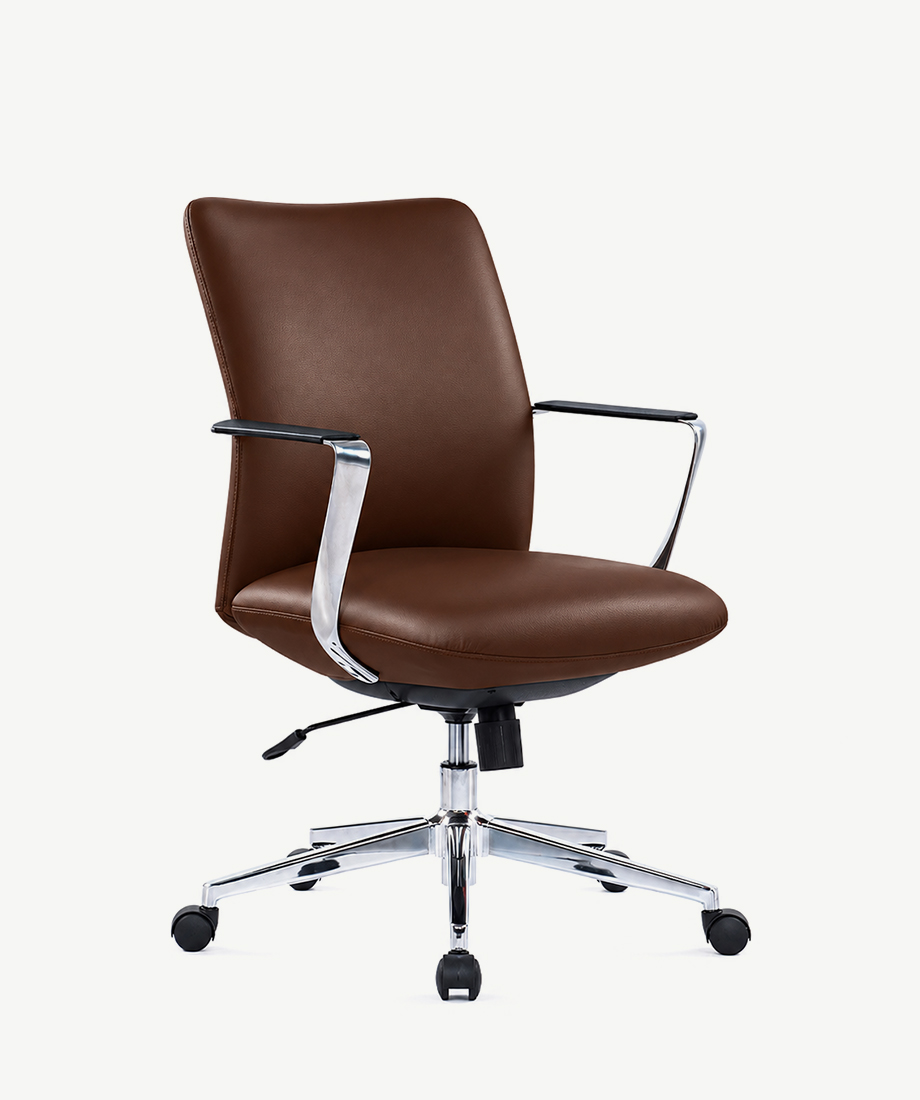
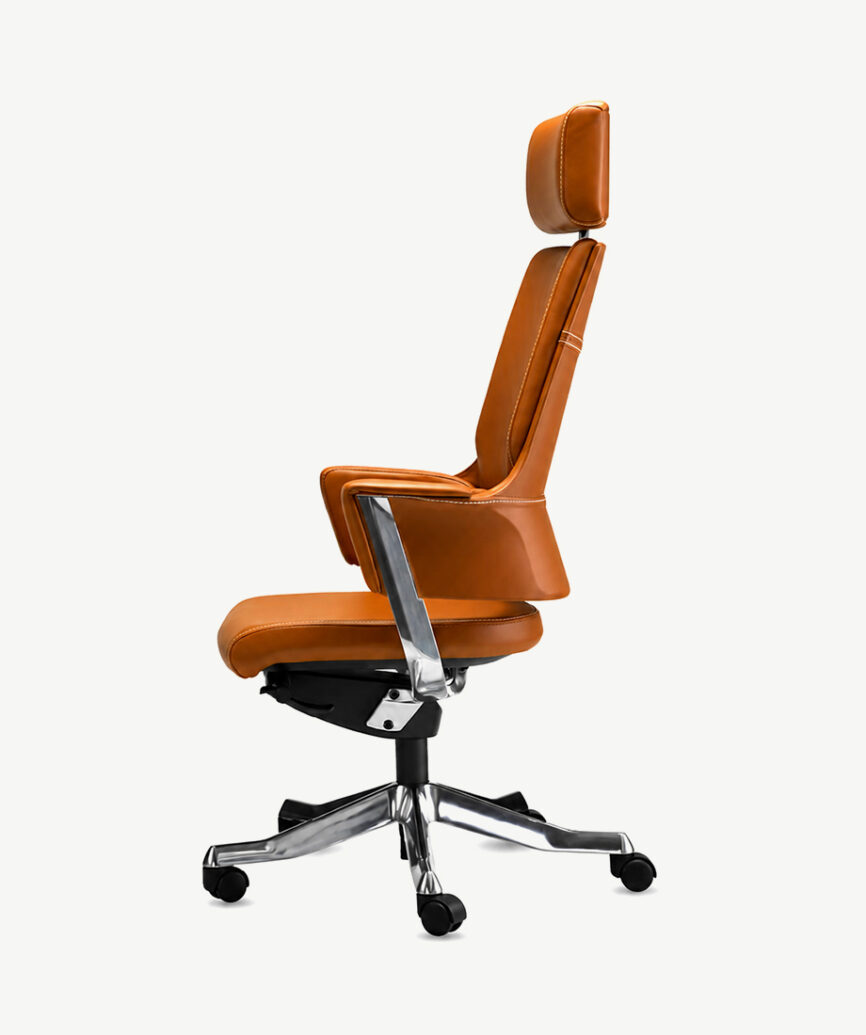
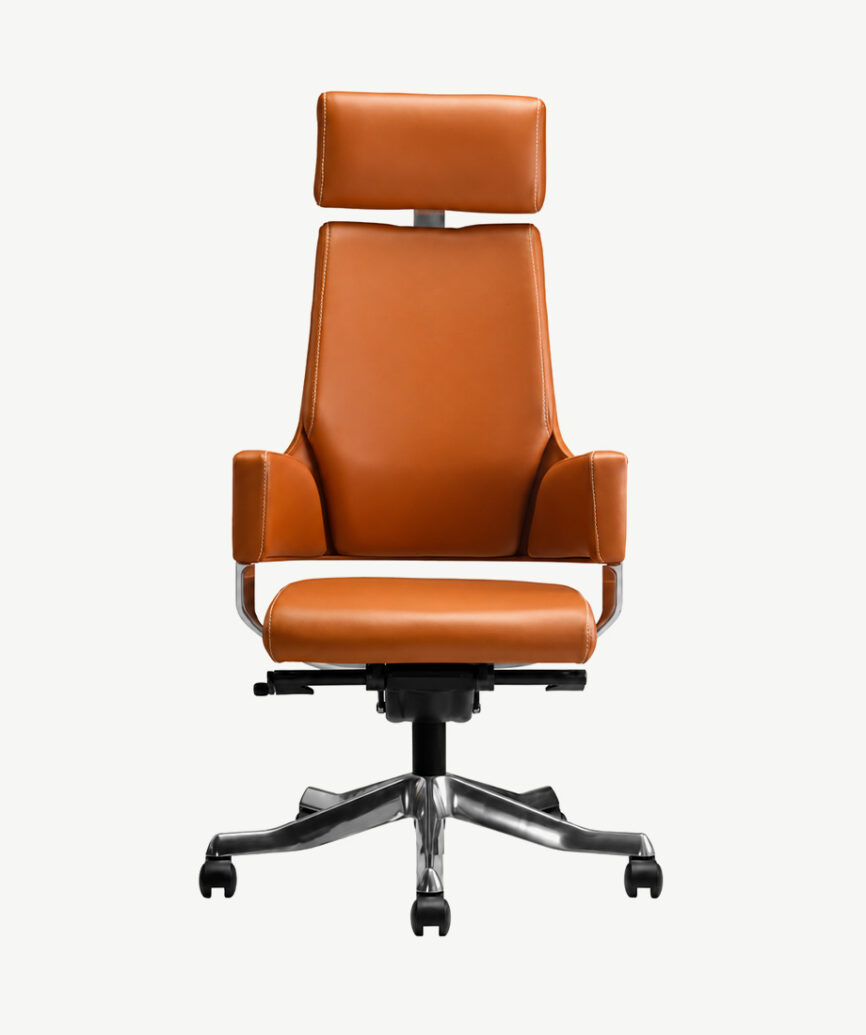
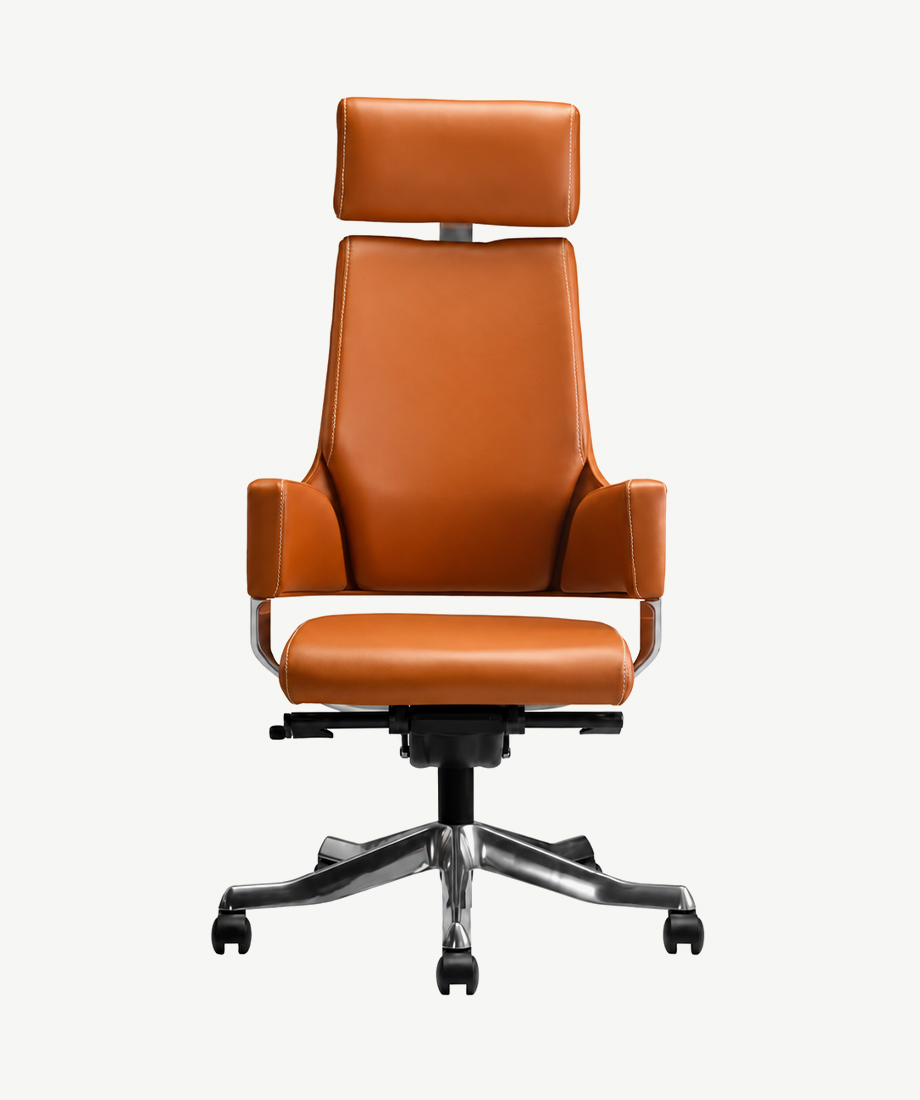
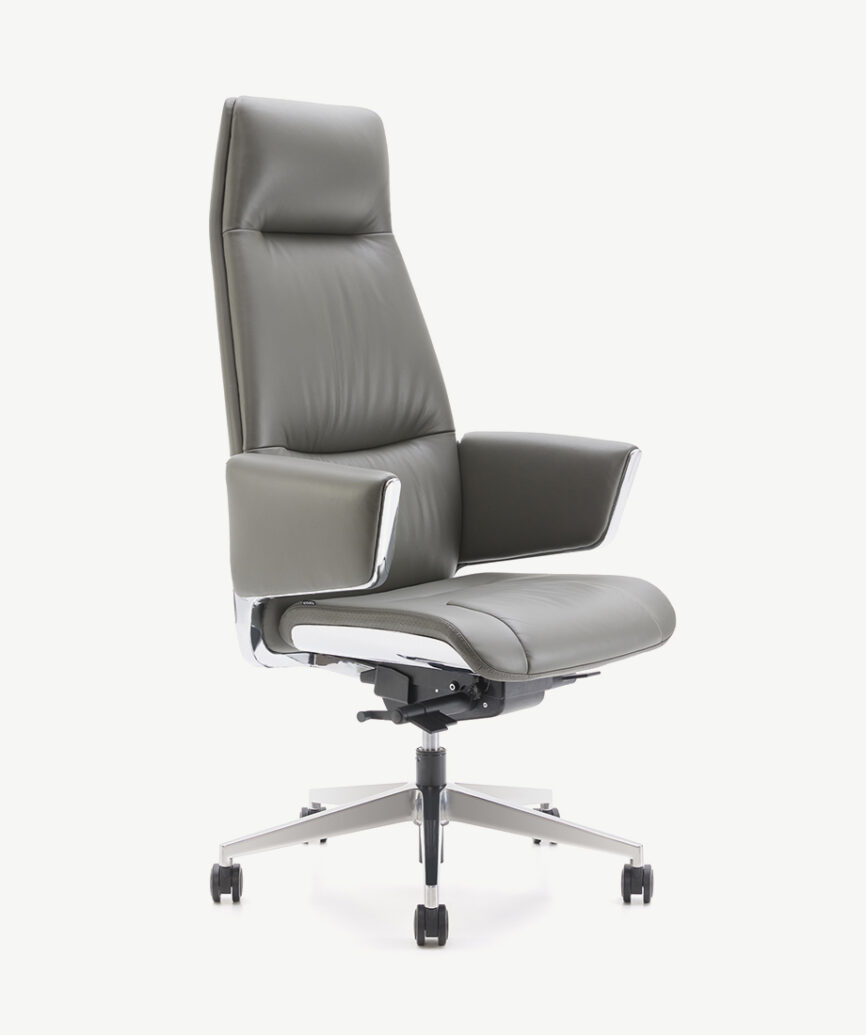
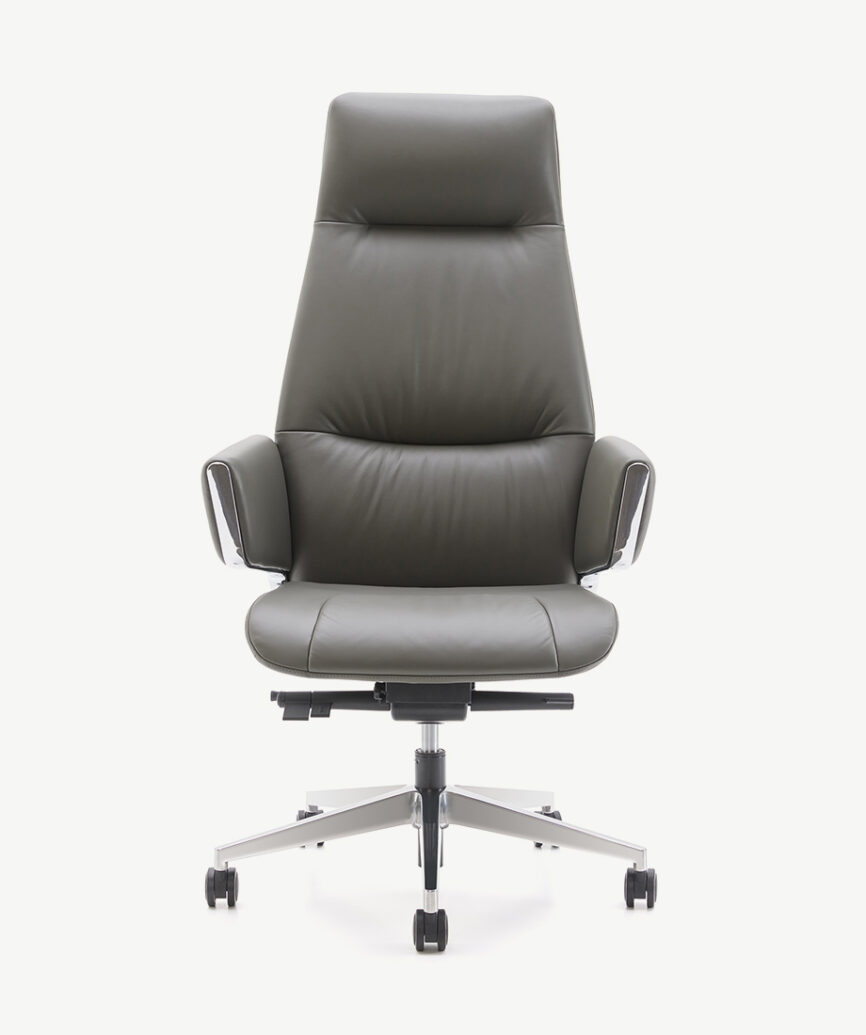
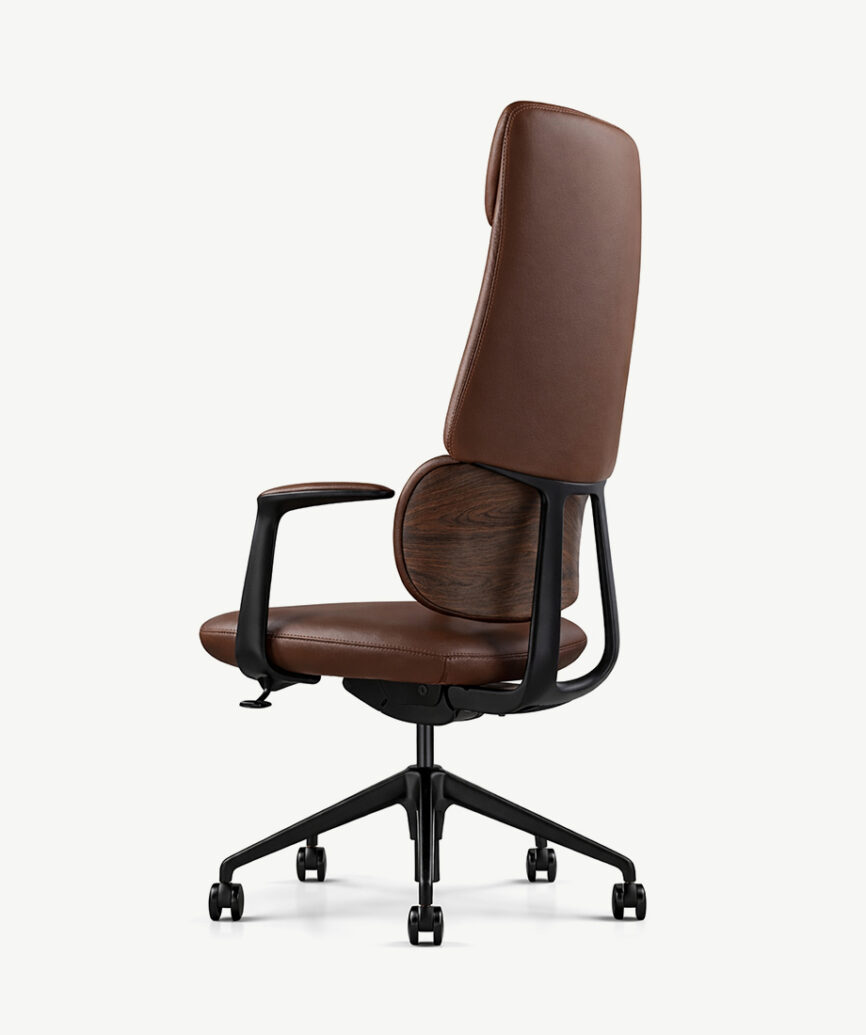
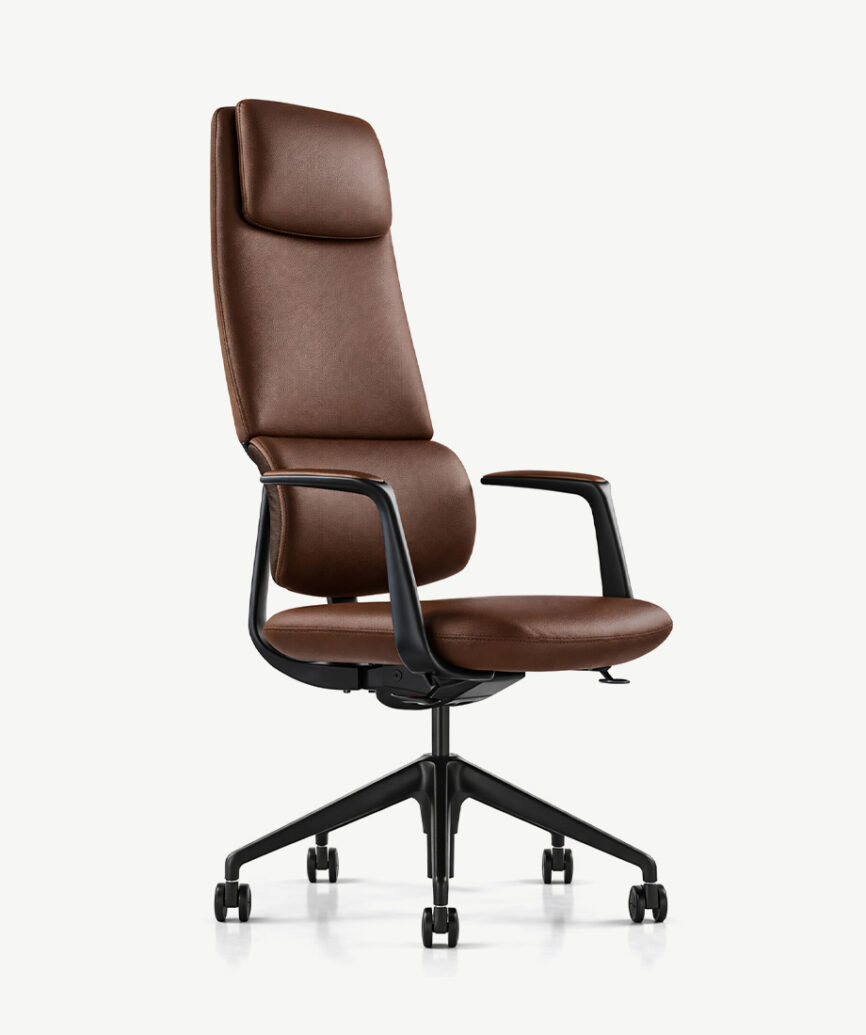
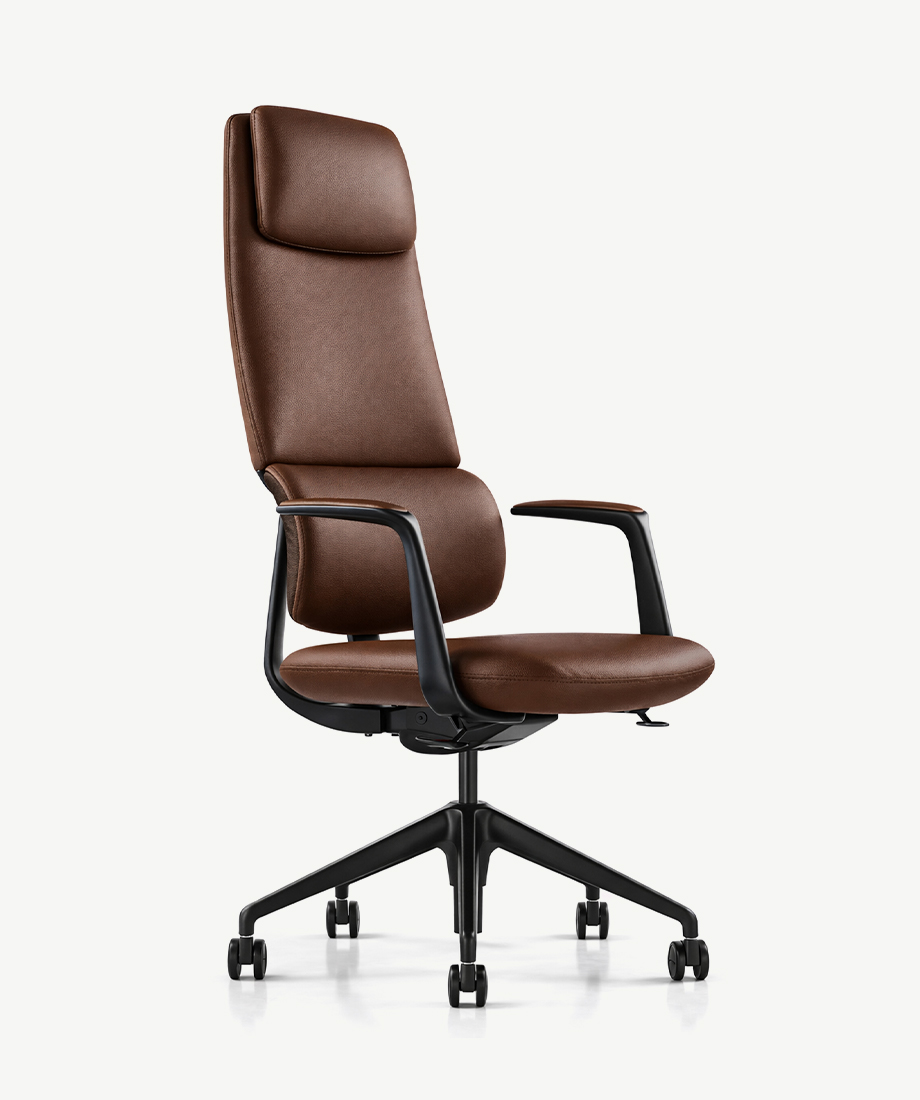
Leather and leatherette look the part and suit executive offices and boardrooms. They don’t breathe. In a warm room you’ll feel it. They’re also easiest to wipe clean, which is why they work well for client-facing and lower-use positions. For someone sitting ten hours a day in a Karachi summer, leather is a comfort compromise made for appearance reasons.
A common pattern that works well: mesh-backed chairs for the people who sit longest, leather for executive and meeting spaces where presence matters and sitting time is shorter.
Chairs are built around an average person. If you’re not average, you need to be more careful.
If you’re under about 5’4″, seat depth is your main problem. Many chairs will press into the back of your knees and leave your feet dangling. Look for a shallower seat or adjustable seat depth, and consider a footrest.
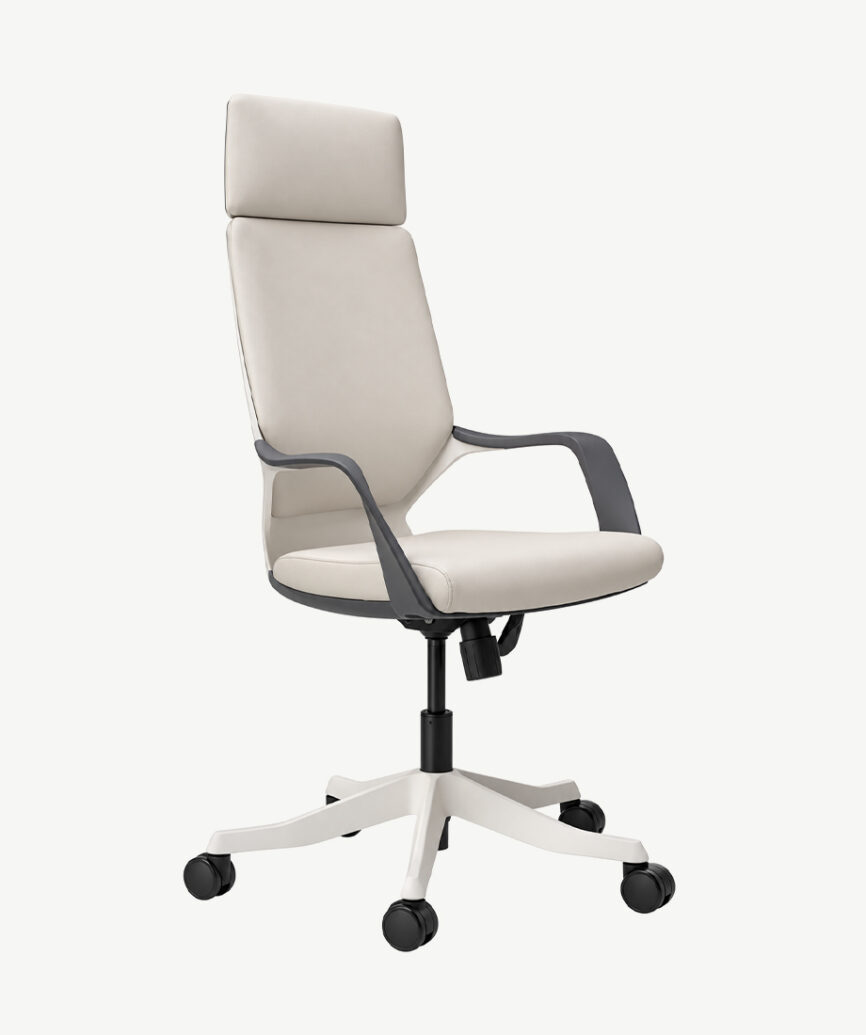
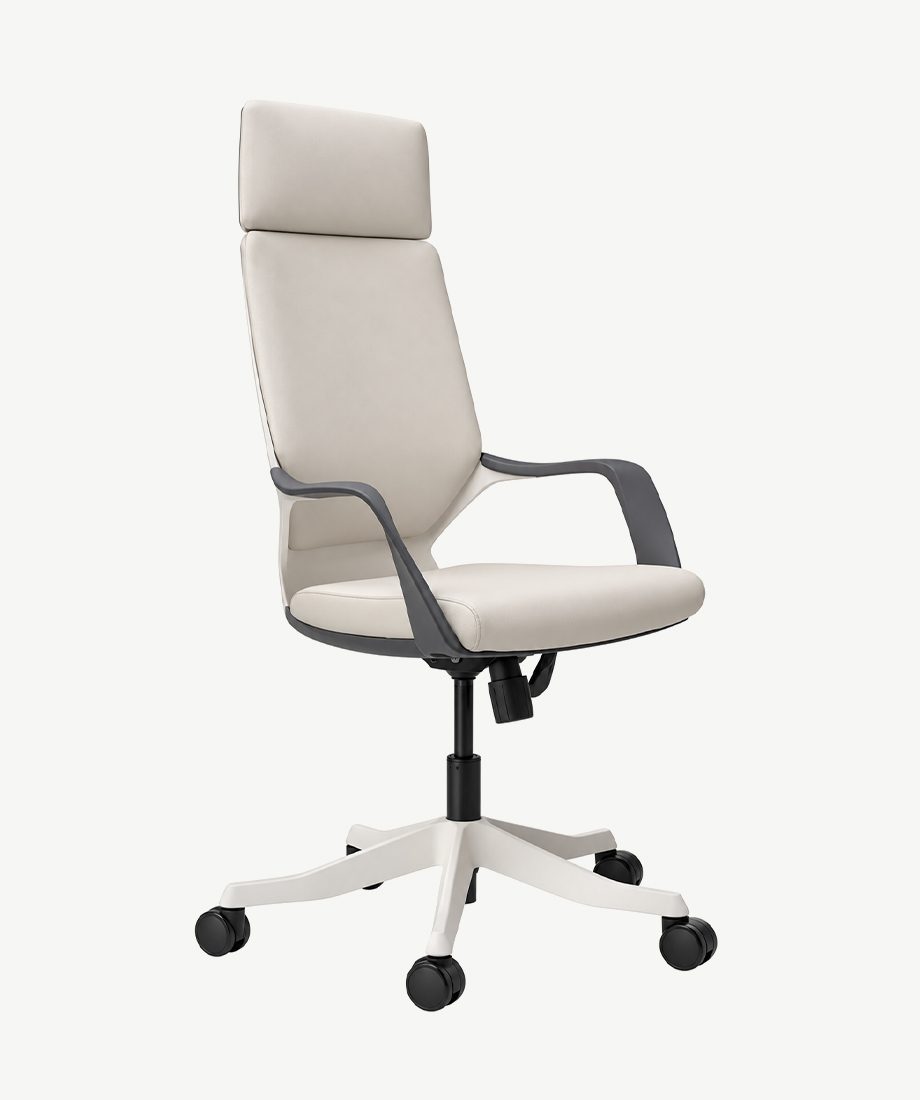
If you’re over about 6’1″, check backrest height and whether the headrest actually reaches your head. A chair that supports a shorter person’s neck may sit against your shoulder blades.
If you’re heavier built, check the stated weight capacity rather than assuming, and look at seat width and base construction. A five-star aluminium base is considerably more durable than nylon under sustained load.
Nobody enjoys thinking about these specifications, but they’re the difference between a chair that fits and a chair that merely looks right.
Prices in Pakistan vary widely, and the jumps are meaningful.
Under PKR 30,000. Basic task and cafe seating. Fine for occasional use, meeting rooms, waiting areas and breakout spaces. You’ll typically get seat height adjustment and little else. Not suitable for someone sitting full days.
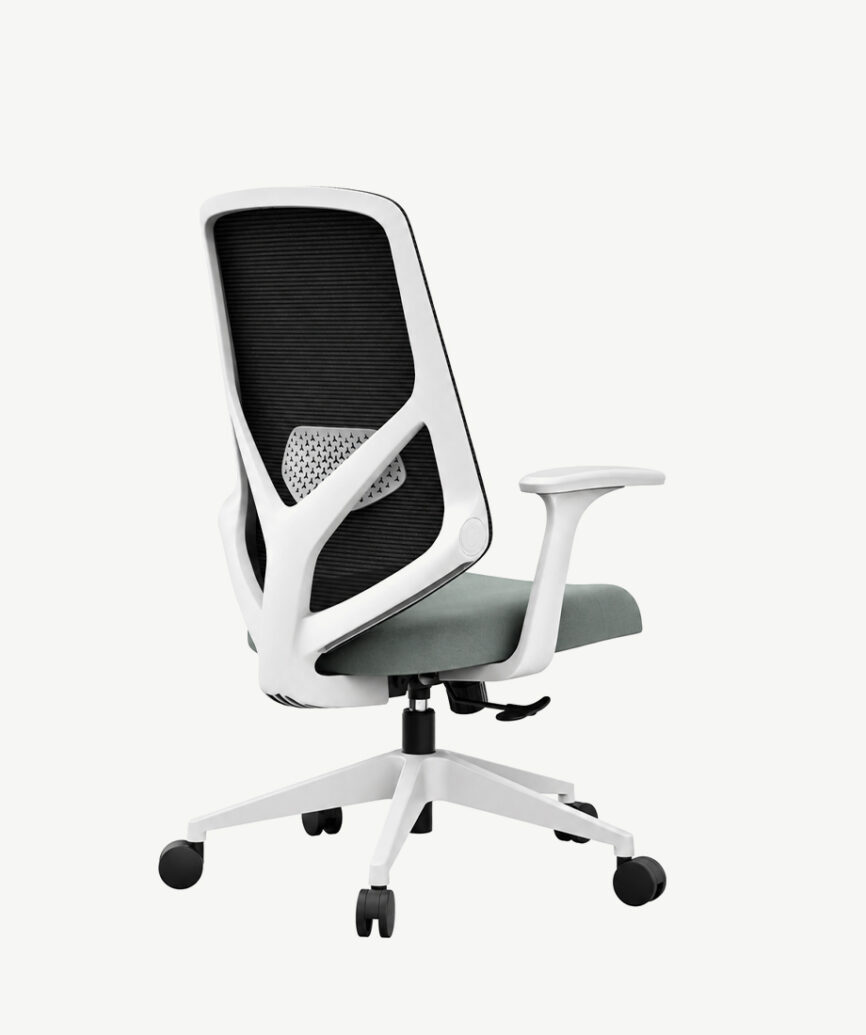
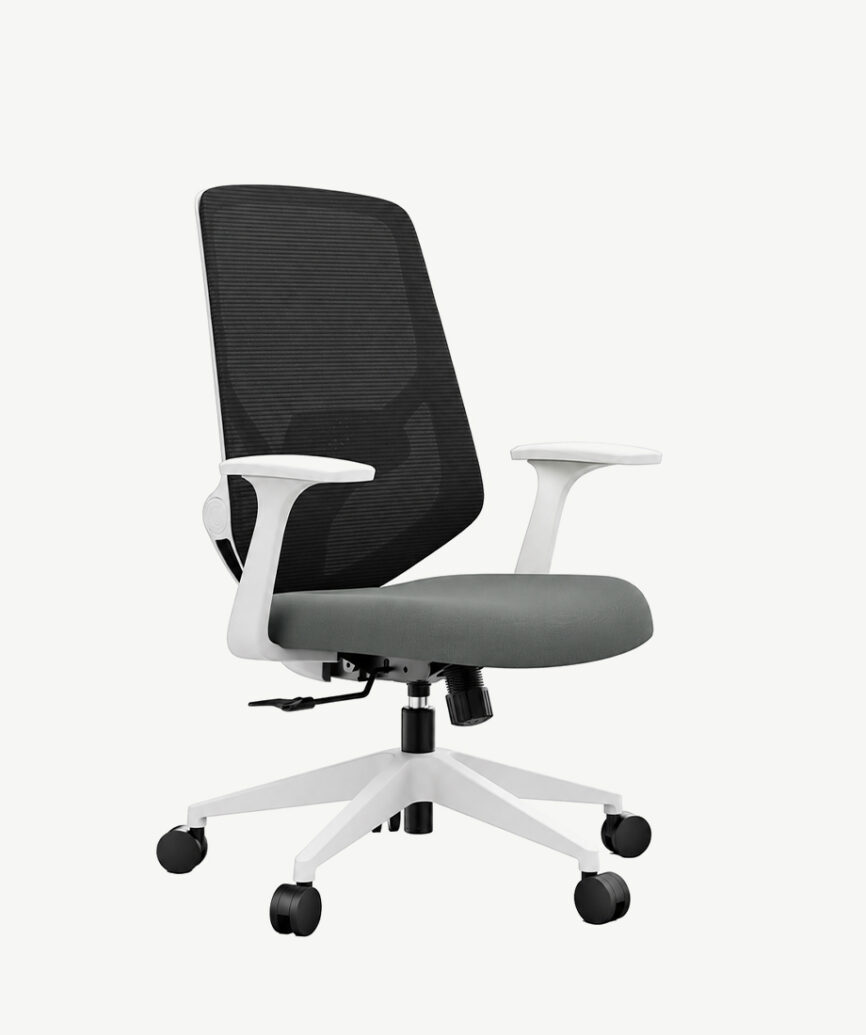
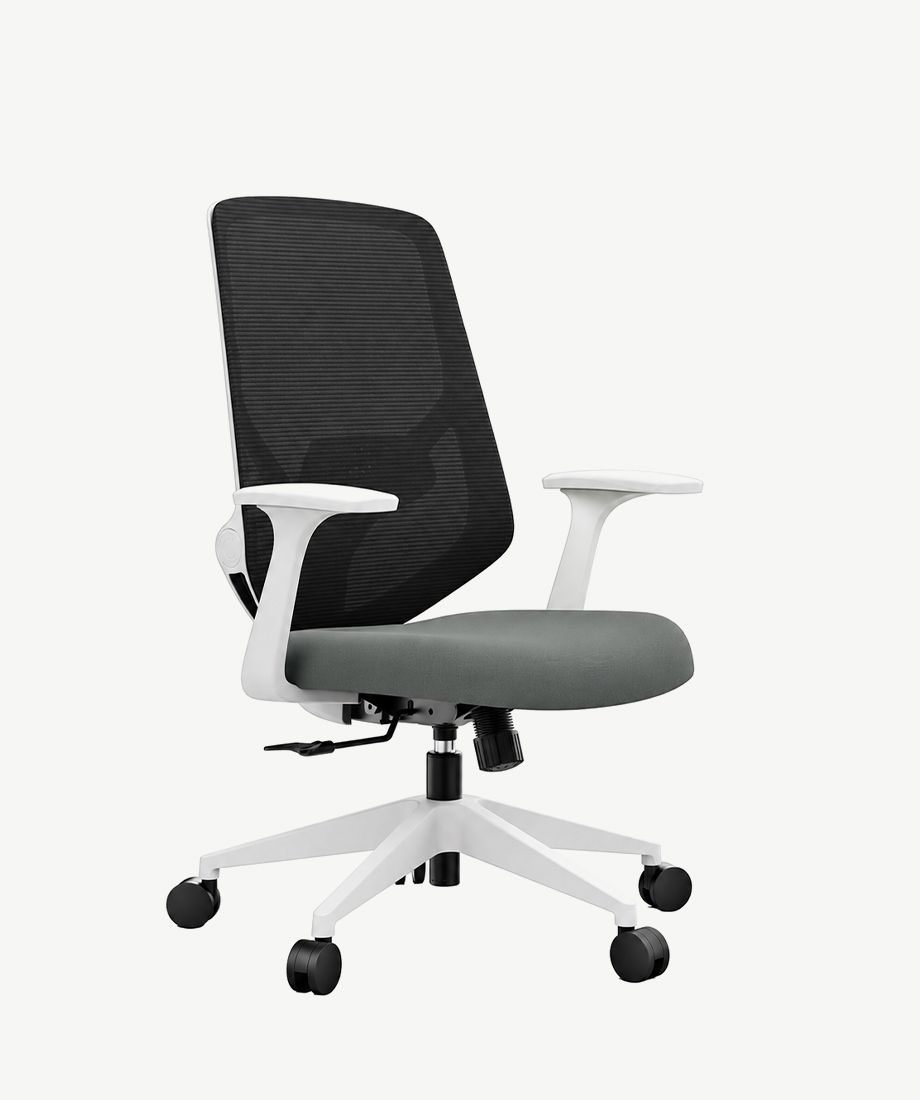
PKR 30,000 to 60,000. The practical sweet spot for most office workers. Proper mesh backs, adjustable armrests, lumbar support, decent mechanisms. This is where chairs start being genuinely comfortable for long days.
Chairs in This Range
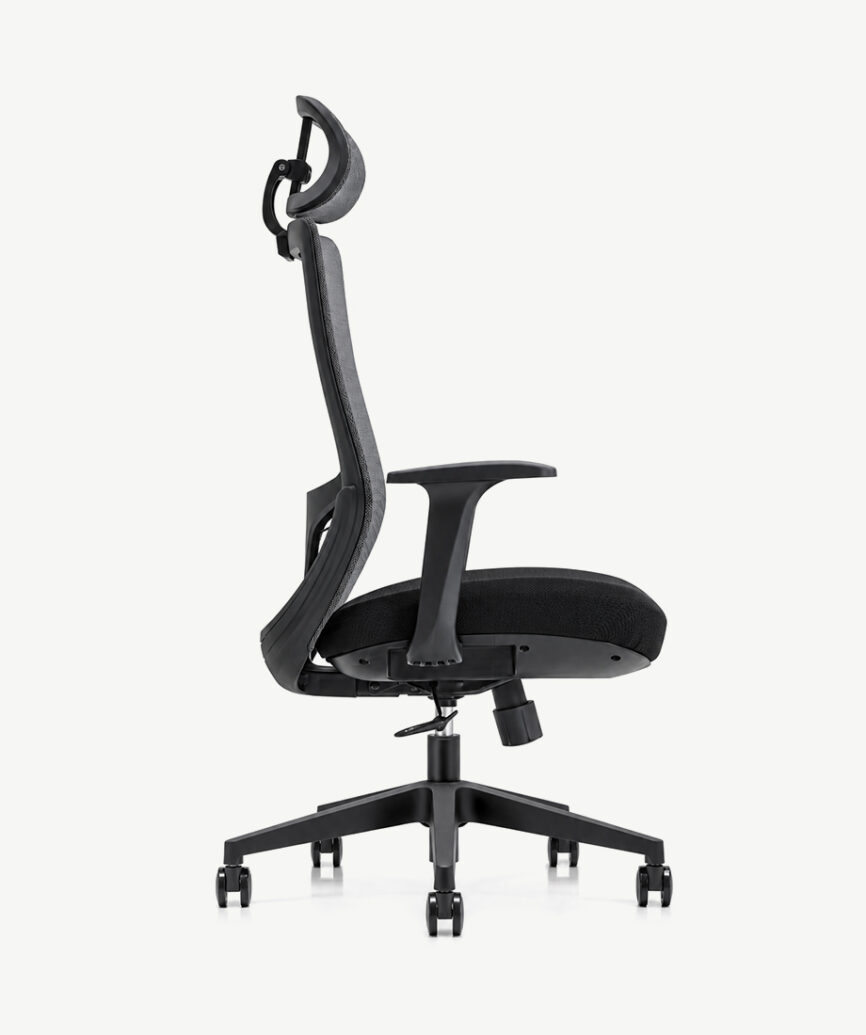
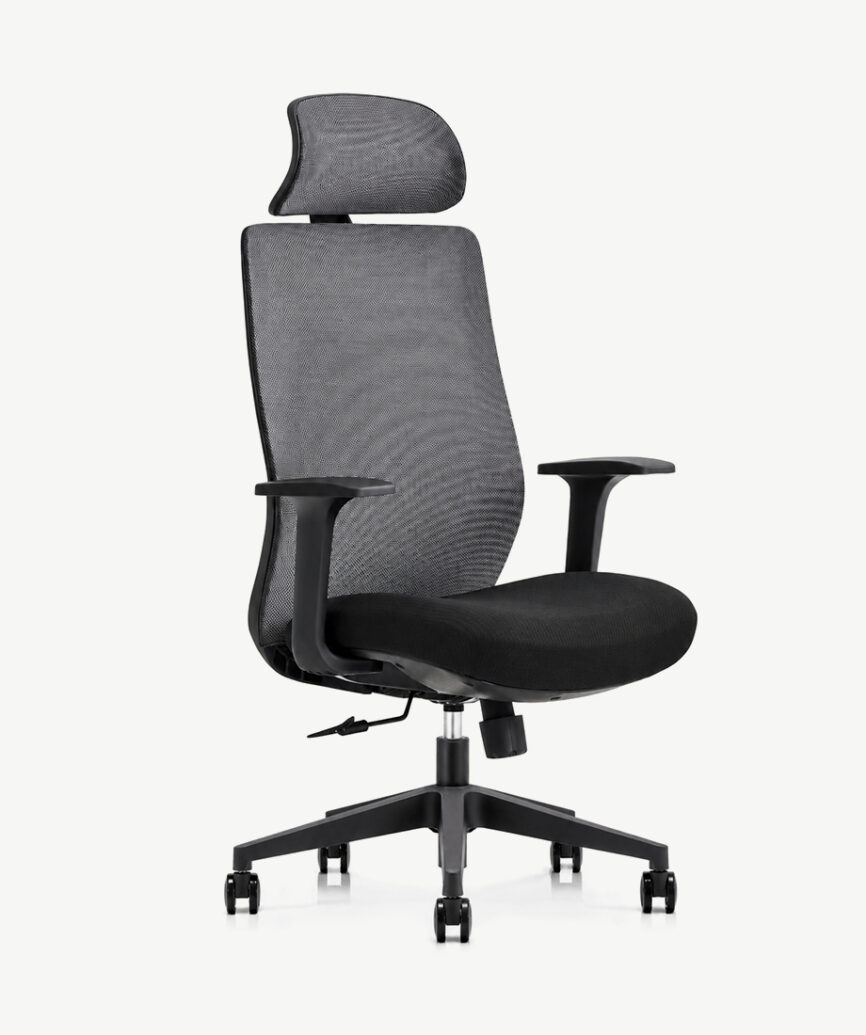
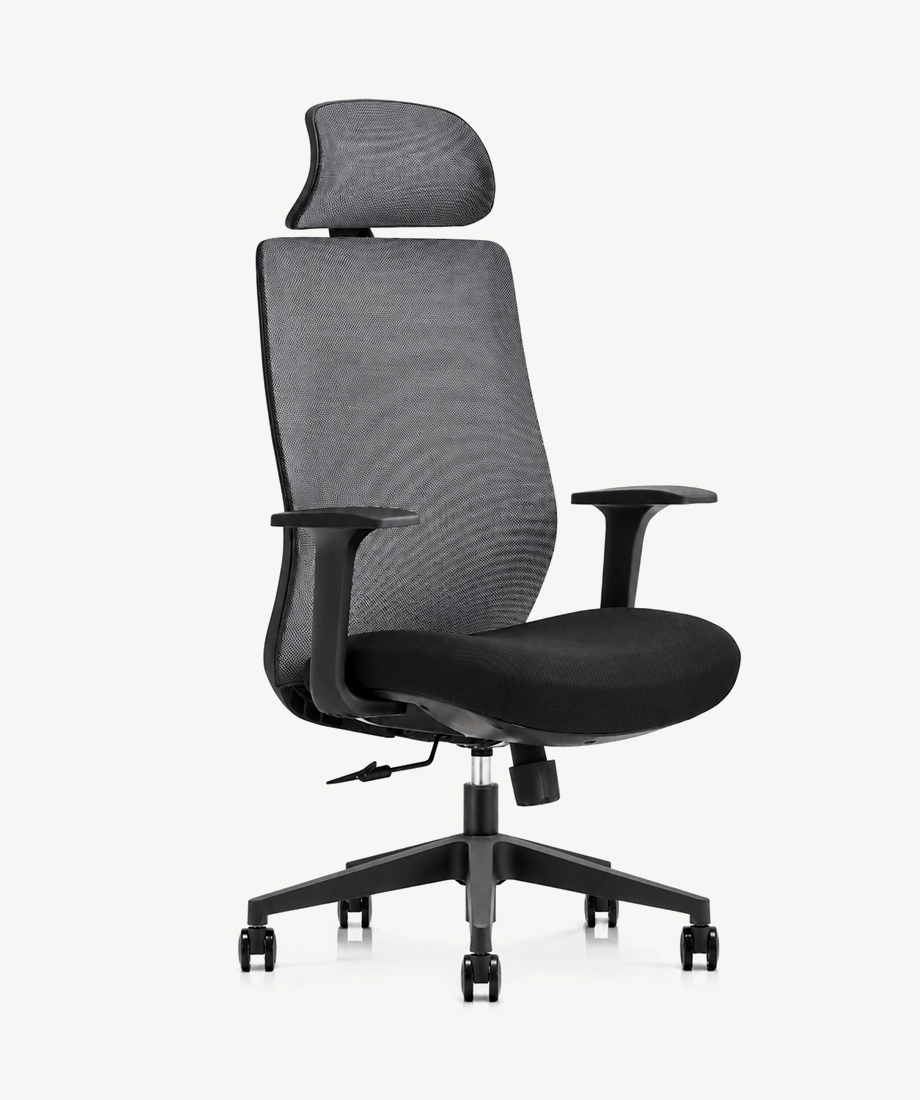
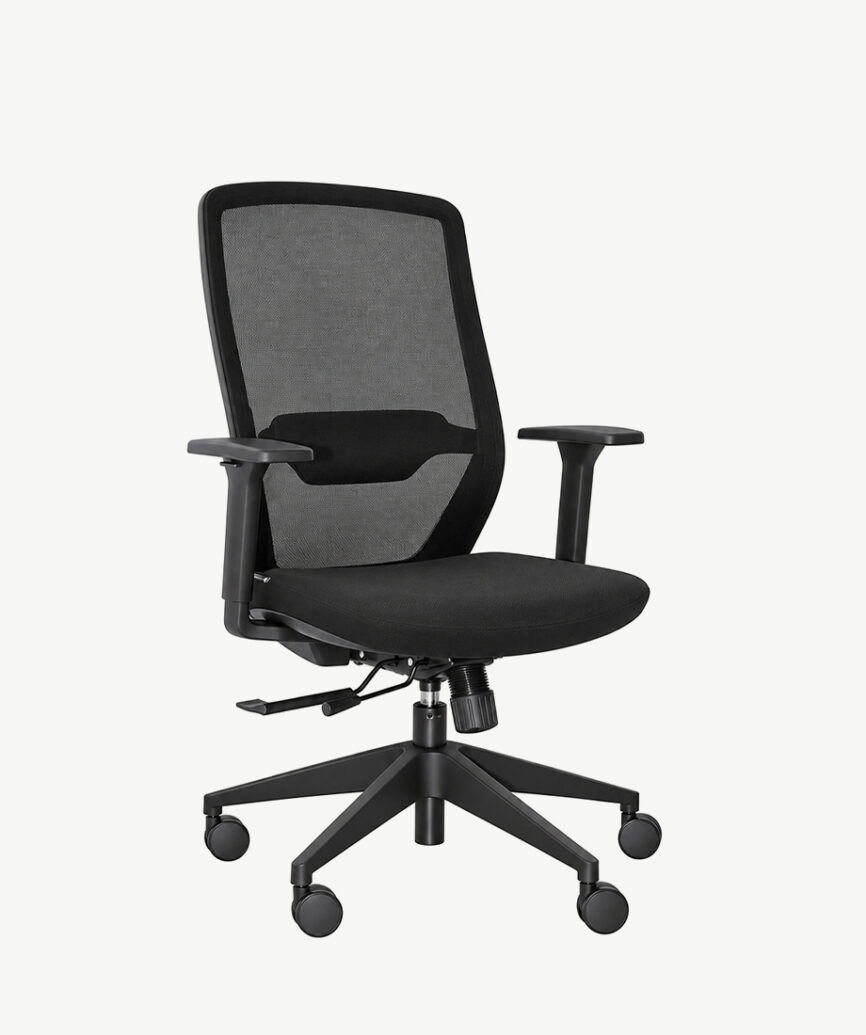
These are the workhorses — mesh backs, adjustable armrests and proper lumbar support at a price that makes sense for a full-time desk.
₨ 29,000 – ₨ 35,000Price range: ₨ 29,000 through ₨ 35,000
₨ 29,000 – ₨ 35,000Price range: ₨ 29,000 through ₨ 35,000
₨ 40,000 – ₨ 42,500Price range: ₨ 40,000 through ₨ 42,500
₨ 40,000 – ₨ 42,500Price range: ₨ 40,000 through ₨ 42,500
PKR 60,000 to 100,000. Better materials, more adjustment range, more durable mechanisms and bases. Worth it if you sit eight-plus hours daily, or if you’ve had back problems before.
Stepping Up
More adjustment range, better mechanisms and materials built to hold up over years rather than months.
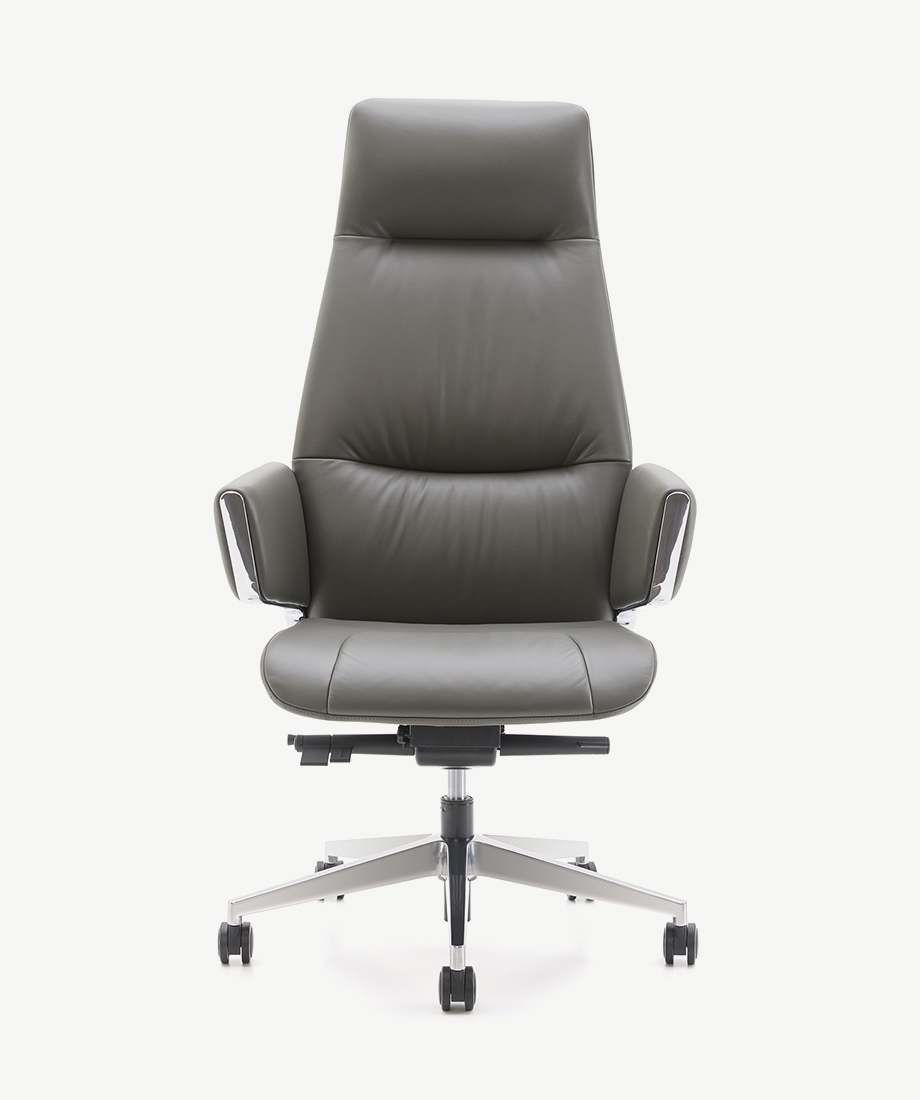
Above PKR 100,000. Executive and premium seating. You’re paying for materials, finish, presence and refinement. Comfort improves, though not proportionally to the price. The real justification is usually a combination of long hours and a role where the chair is part of the room.
Executive Seating
Where presence matters as much as comfort — boardrooms, directors’ offices and client-facing spaces.
₨ 130,000 – ₨ 145,000Price range: ₨ 130,000 through ₨ 145,000
₨ 130,000 – ₨ 145,000Price range: ₨ 130,000 through ₨ 145,000
₨ 185,000 – ₨ 195,000Price range: ₨ 185,000 through ₨ 195,000
₨ 185,000 – ₨ 195,000Price range: ₨ 185,000 through ₨ 195,000
One thing worth considering over a five-year horizon: a PKR 25,000 chair replaced twice costs more than a PKR 55,000 chair that lasts, and you spend those years less comfortable. Cheap chairs fail at the gas lift, the mesh, or the mechanism, usually within eighteen months of heavy use.
Buying on appearance alone. The most photogenic chair in a catalogue is often not the most comfortable. High backs and thick padding look supportive and frequently aren’t.
Ignoring your desk. Chair height has to work with desk height. A chair that’s perfect in isolation can be wrong for a particularly high or low desk.
Assuming more padding means more comfort. Thick foam feels good for ten minutes and compresses over time. Firm, well-shaped support lasts longer and holds your posture better.
Skipping the warranty question. Ask what’s covered, for how long, and critically, whether parts and service are available locally. A gas lift is a cheap part. Waiting three months for one shipped from overseas is not a cheap problem.
Not sitting in it first. Specifications tell you what a chair can do. They don’t tell you how it feels. Ten minutes in a chair tells you more than an hour of reading.
Three chairs that cover most situations:
Sitting long days on a sensible budget — the U2 gives you mesh, adjustability and lumbar support without overspending.
Sitting long days and you want it to last — the Apollo sits in the range where materials and mechanisms get noticeably better.
An executive office or boardroom — the Delphi delivers presence alongside genuine comfort.
₨ 29,000 – ₨ 35,000Price range: ₨ 29,000 through ₨ 35,000
₨ 29,000 – ₨ 35,000Price range: ₨ 29,000 through ₨ 35,000
₨ 75,000 – ₨ 78,000Price range: ₨ 75,000 through ₨ 78,000
₨ 75,000 – ₨ 78,000Price range: ₨ 75,000 through ₨ 78,000
₨ 130,000 – ₨ 145,000Price range: ₨ 130,000 through ₨ 145,000
₨ 130,000 – ₨ 145,000Price range: ₨ 130,000 through ₨ 145,000
Not sure which fits? WhatsApp us at (+92) 329 0905574 and tell us how long you sit and what you’re working with, or come try them in Karachi or Lahore.
Buying guides, ergonomic tips and workspace advice from our team.